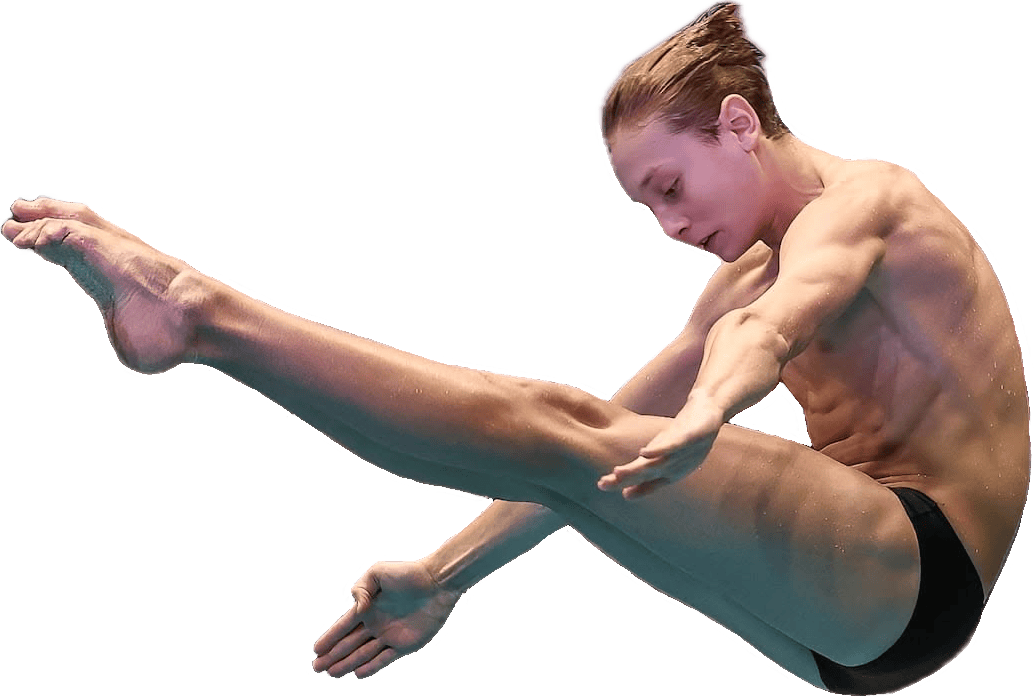
Curious about diving? Let this guide introduce you to the essentials of this exciting sport. Explore the essentials of diving, including dive types, body positions, and evaluation criteria. Discover the thrill of this exciting sport.
Diving is a captivating and graceful sport that has thrilled audiences worldwide, particularly during the Summer Olympic Games. The blend of power, agility, and elegance that divers display makes it one of the most popular spectator events. Competitive diving follows the guidelines set by the Fédération Internationale de Natation (FINA), which regulates everything from dive categories to judging criteria. Let’s explore the basics of diving, including dive types, body positions, and what makes for a great dive.
For a full breakdown of FINA rules, visit their official website at FINA DivingRules.
Types of Dives
Dives are grouped into six main categories. Each category represents a different approach or technique:
1 Forward Group
Divers in the Forward Group face the water, executing dives from a simple forward dive to more advanced somersaults. A running approach of at least four steps is common, with the final step—the “hurdle”—providing the height necessary for takeoff.

2 Backward Group
In this category, divers begin at the edge of the board with their backs to the water. The motion is directed away from the board, requiring excellent technique to generate sufficient height without a run-up.
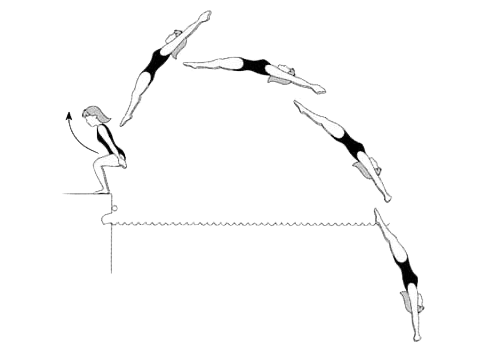
3 Reverse Group
Reverse dives start with a forward approach, but the rotation moves back toward the board. This combines elements of forward motion with a backward rotational technique.

4 Inward Group
Inward dives are initiated like the Backward Group, with the diver’s back to the water. However, upon takeoff, the movement turns inward, toward the diving board.
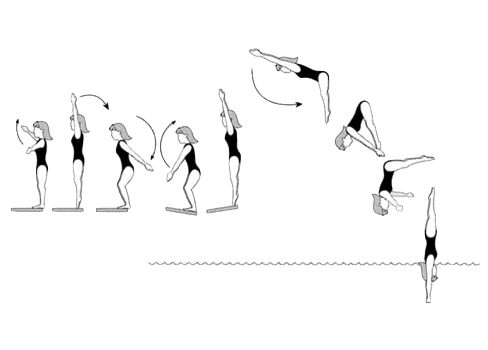
5 Twist Group
Any dive involving a deliberate twist falls into this group. Twist dives can incorporate elements of the Forward, Backward, Reverse, or Inward categories. Because of the many combinations possible, the Twist Group includes more dives than any other category.
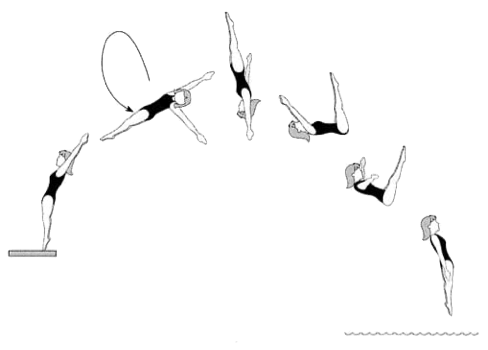
6 Armstand Group
Exclusive to platform diving, this group requires divers to balance in an armstand position before beginning their dive. Steadiness is key to executing these dives successfully.
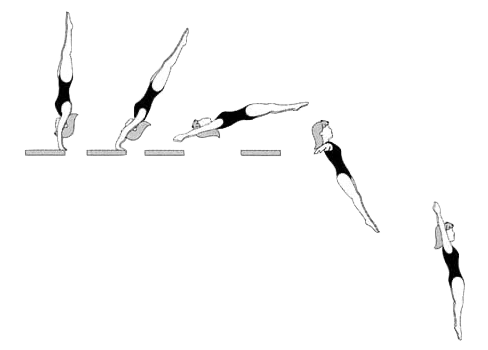
Cite: Types of dives diagrams from swimming.org
Body Positions
When performing a dive, divers adopt one or more of the following body positions:

A: Straight
The diver’s body remains straight without bending at the waist or knees, though a slight arch in the back may occur depending on the dive.
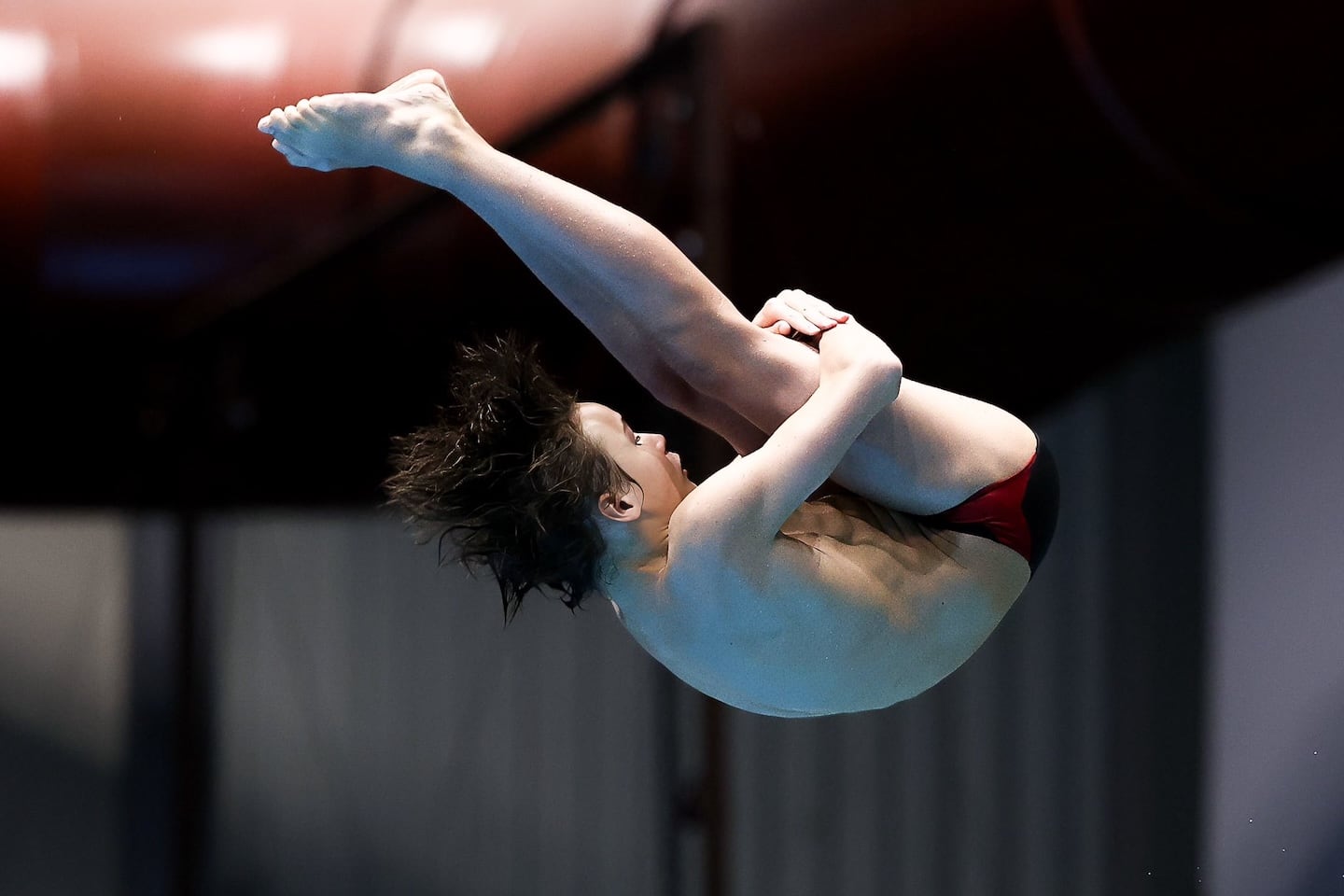
B: Pike
This position features straight legs with a bend at the waist. Arm placement may vary based on the dive or the diver’s preference.
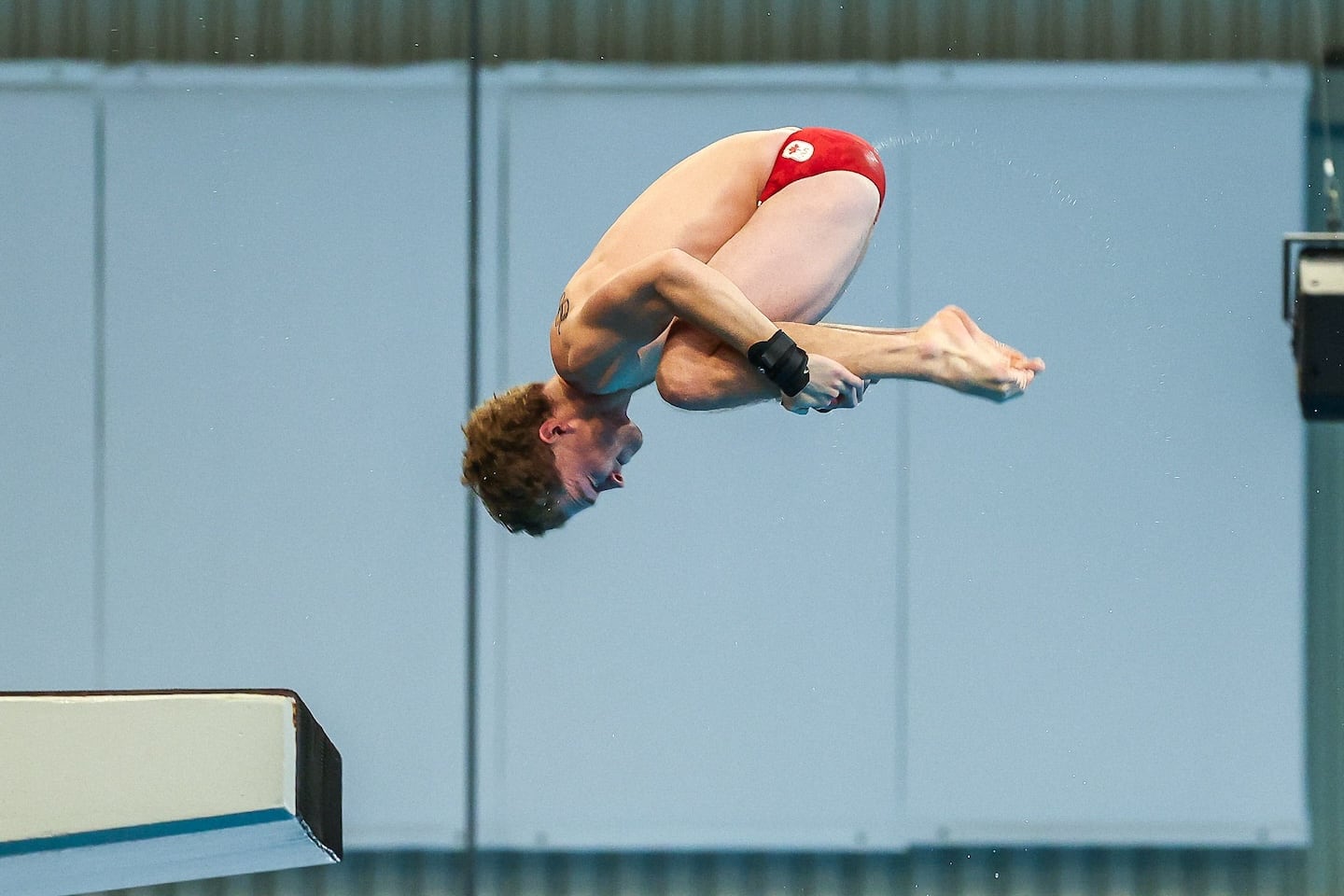
C: Tuck
The diver bends at the waist and knees, pulling the thighs toward the chest while keeping the heels close to the body.
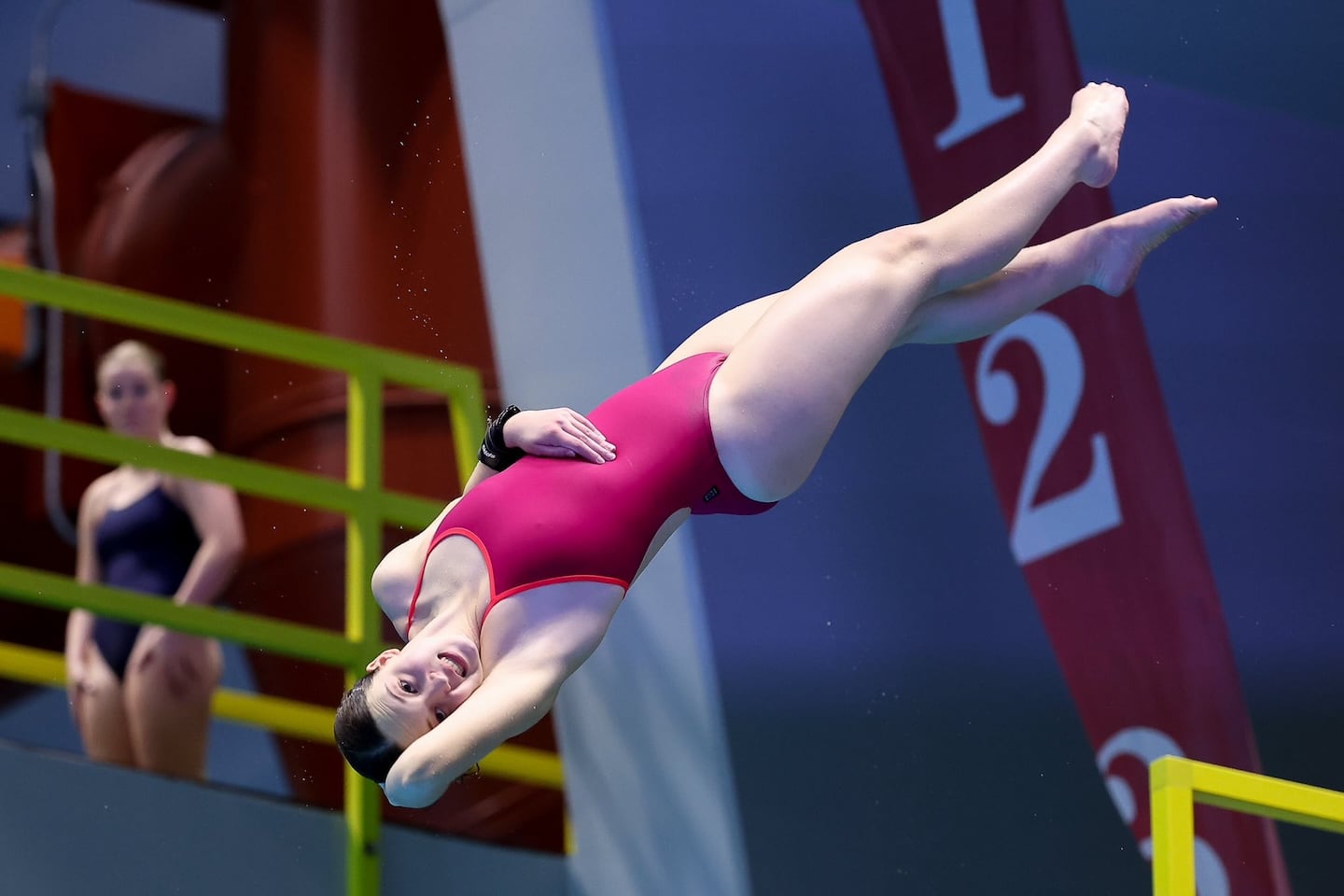
D: Free
In dives involving somersaults or twists, divers may use a combination of the other positions, excluding the tuck. This flexibility allows for creative and complex movements.
Understanding Dive Numbers in Competitive Diving
In the sport of diving, each dive is identified using a standardized three- to four-digit code followed by a letter. This system, used worldwide and set by FINA (Fédération Internationale de Natation), helps judges, coaches, and athletes quickly understand the dive being performed based on its characteristics.
The number describes three things:
- The type of dive group (forward, backward, etc.)
- The presence of twists (if any)
- The number of half-somersaults
- The body position (straight, pike, tuck, free)
Dive Number Structure
3-Digit Dives (No twist)
Most basic dives have a 3-digit code, where:
• The first digit represents the dive group (1 to 4, or 6 for armstand)
• The second and third digits indicate the number of half-somersaults
Example:
- 101 = Forward dive with ½ somersault
- 203 = Backward dive with 1½ somersaults
- 403 = Inward dive with 1½ somersaults
4-Digit Dives (Twisting dives)
Twisting dives use a 4-digit code:
- The first digit is always 5, indicating the twist group
- The second digit tells you the takeoff direction (same as other groups: 1=Forward, 2=Backward, etc.)
- The third digit shows the number of half-somersaults
- The fourth digit represents the number of half-twists
Example:
- 5132 = Forward takeoff, 1½ somersaults, 1 twist
- 5231 = Backward takeoff, 1½ somersaults, ½ twist
- 5337 = Reverse takeoff, 1½ somersaults, 3½ twists
Armstand Dives (Group 6)
Armstand dives, performed only on platforms, begin with a 6.
These follow the same pattern as other 3-digit dives, but may include handstand variations or twists if extended to four digits.
Example:
- 612C = Armstand forward dive with 1 somersault
- 6241D = Armstand with 2 somersaults and ½ twist
Understanding dive numbers may seem complex at first, but once you break them down, they become a simple way to communicate exactly what’s happening on the board or platform.
Components of a Dive
Every dive is evaluated based on five fundamental components:
- Approach
A smooth, controlled, and confident approach sets the stage for a successful dive. - Takeoff
The diver must demonstrate balance, control, and an appropriate angle of departure from the board. - Elevation
The height achieved during takeoff is crucial, as it provides more time to perform precise and fluid movements. - Execution
This aspect focuses on the dive itself. Judges assess technique, form, and overall grace. - Entry
A clean, vertical entry with minimal splash is the hallmark of an excellent dive.
The Joy of Diving
Many divers describe the sport as an exhilarating experience, combining the thrill of flying through the air with the satisfaction of perfecting challenging techniques. Diving demands dedication and focus, but the sense of achievement that comes with mastering a new dive is immensely rewarding.
Whether you’re just starting out or refining your skills, diving offers an unparalleled blend of athleticism and artistry. Ready to take the plunge? Join a program and discover the joy of diving for yourself!
Learn to Dive
Start your diving journey today with Saskatoon Diving Club! Register Now.